Best Rugs in India: A Guide to Finding Quality Handmade Rugs
What Makes Indian Rugs Among the Finest in the World
India has been weaving rugs for over five centuries, a tradition rooted in Mughal courts and refined across generations of artisan families in Rajasthan, Uttar Pradesh, and Kashmir. Today, India is the world's largest exporter of handmade rugs, yet the best Indian rugs are rarely found in mass-market showrooms. They live in workshops where craft is still passed down by hand, where a single rug can take months to complete, and where the difference between ordinary and extraordinary comes down to materials, technique, and an uncompromising eye for quality.

If you are searching for the best rugs in India, understanding what separates a well-made piece from a decorative commodity is essential. This guide covers the craft techniques, materials, and quality markers that define exceptional handmade rugs India has to offer.
The Craft Techniques Behind Indian Rug Making

Hand-Knotted Rugs
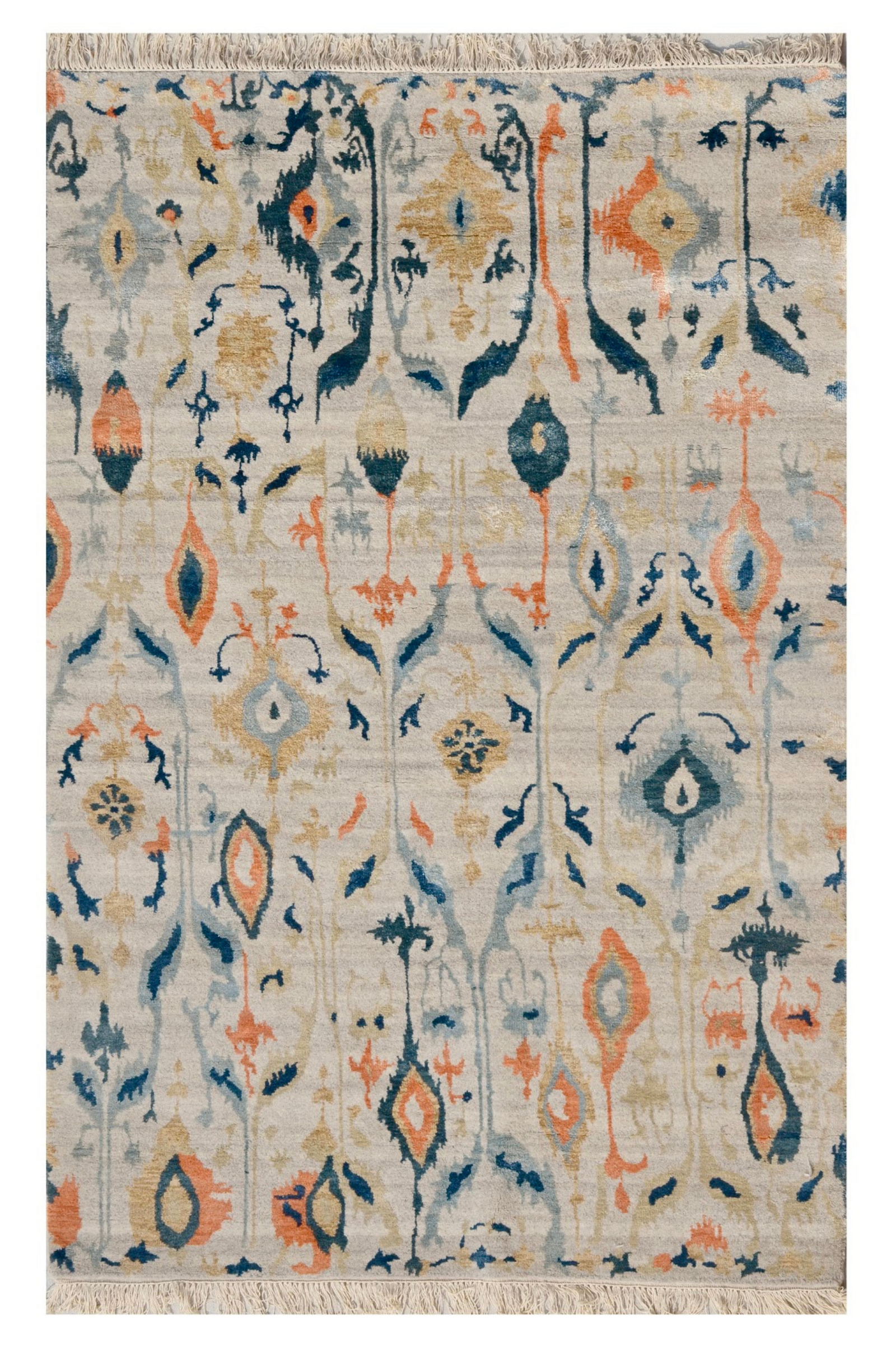
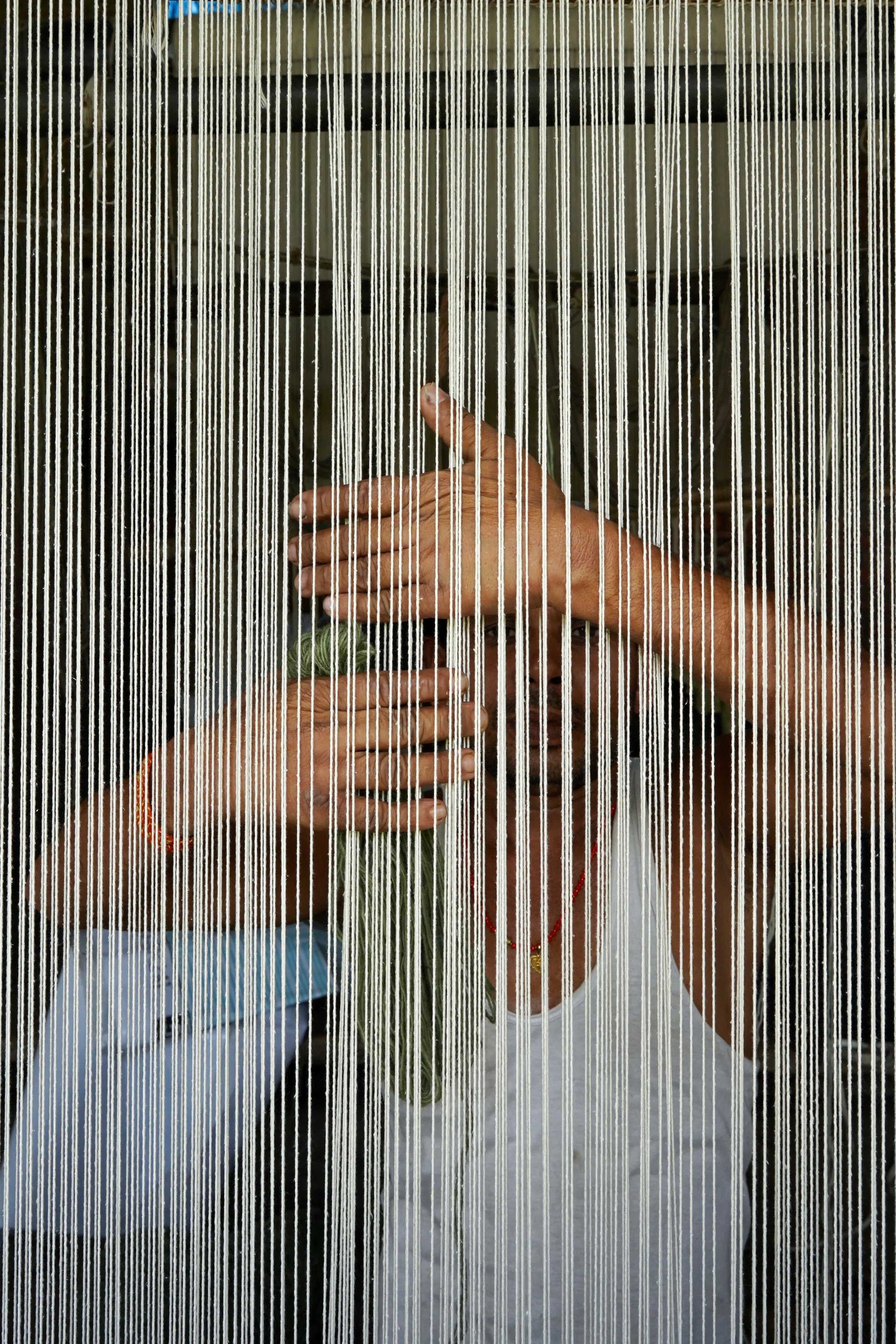
Hand-knotting is the most labour-intensive and revered technique in rug making. Each knot is tied individually by the weaver onto a foundation of warp and weft threads, a process that can yield anywhere from 80 to over 300 knots per square inch depending on the design's complexity. A 5x8-foot hand-knotted rug may require six months of continuous work. The result is a rug of extraordinary density, durability, and character, where slight irregularities in the pile are not defects but evidence of human hands at work.
Hand-Tufted Rugs
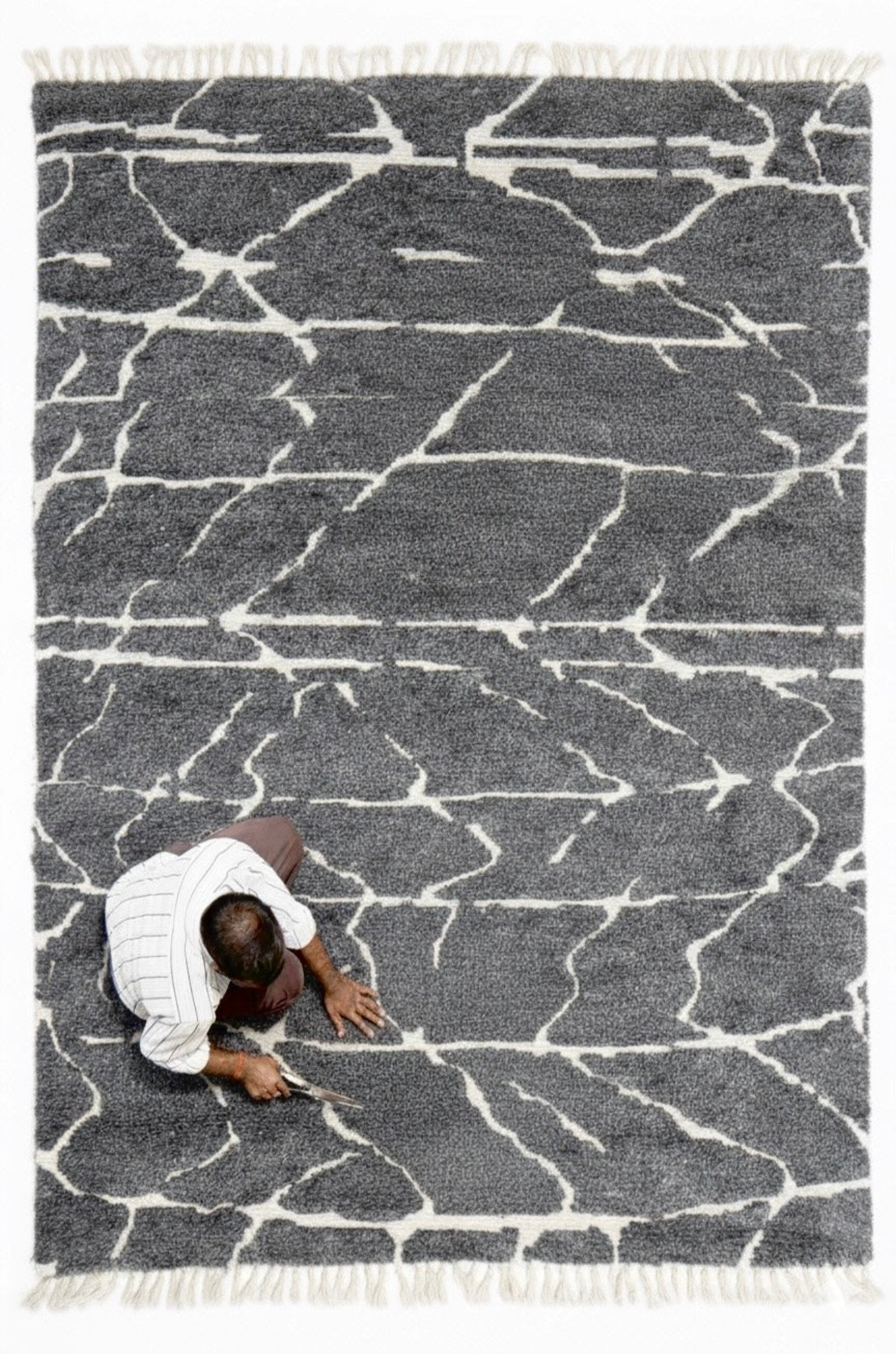
Hand-tufting uses a mechanised gun to punch yarn into a stretched canvas backing, which is then secured with adhesive and a secondary backing cloth. The technique allows for faster production and greater design flexibility at a lower price point than hand-knotting. Well-made hand-tufted rugs can be visually striking and hold up well in moderate-traffic areas, making them an intelligent choice for bedrooms, studies, and formal living rooms.
Handloom and Flatweave Rugs
Handloom rugs are woven on traditional looms without any pile, producing a flat, reversible textile. Dhurries, kilims, and Chindi weaves fall into this category. These rugs are lighter, easier to maintain, and carry a distinct graphic quality that suits contemporary interiors. In India, flatweave traditions span from the geometric kilims of Rajasthan to the cotton dhurries of Uttar Pradesh, each region contributing its own palette and patterning vocabulary.
Materials That Define Quality
Wool
New Zealand wool and indigenous Indian wool are the two primary grades used in handmade rugs in India. New Zealand wool, prized for its long staple and natural lustre, produces a resilient pile with a soft hand feel. Indian wool, particularly from highland breeds, offers excellent durability at a more accessible price. The best rugs use hand-spun or semi-worsted wool, which retains natural lanolin and develops a desirable patina with age.
Silk
Silk rugs represent the pinnacle of Indian rug craft. Kashmiri silk rugs, with their extraordinarily high knot counts, are among the most valuable textiles produced anywhere in the world. Silk allows for intricate detailing impossible in wool, though it demands careful placement away from heavy foot traffic.
Viscose and Art Silk
Viscose, derived from plant cellulose, mimics the sheen of silk at a fraction of the cost. It is commonly used in contemporary and transitional designs. However, viscose is less resilient than natural fibres and more susceptible to moisture damage. A viscose rug should never be priced as a silk one, and a reputable seller will always disclose the fibre composition clearly.
What to Look for When Buying Quality Handmade Rugs
When evaluating handmade rugs India produces, several markers separate genuine quality from dressed-up mediocrity.
- Knot density: In hand-knotted rugs, higher knot counts generally indicate finer craftsmanship. Flip the rug and examine the back; the pattern should be clearly visible.
- Material transparency: Insist on knowing the exact fibre composition. Reputable makers will specify whether wool is hand-spun or machine-spun.
- Finishing: Examine the edges and fringe. Hand-knotted rugs will have fringe that is an extension of the foundation threads, not sewn on.
- Colour consistency: High-quality dyes should appear rich and even. Run your hand across the pile in both directions.
- Weight and hand: A well-made hand-knotted or hand-tufted rug has a satisfying heft.
Where to Find the Best Rugs in India
Traditional rug centres like Bhadohi in Uttar Pradesh, Jaipur in Rajasthan, and Srinagar in Kashmir remain important production hubs. For those who prefer a more curated experience, specialist brands with direct ties to weaving communities offer transparency and consistency. House of Rugs, for example, brings over four decades of craftsmanship to the table, working closely with women weavers to produce hand-knotted and hand-tufted pieces that honour traditional techniques while embracing contemporary aesthetics.
When shopping online for rugs in India, look for sellers who provide detailed specifications, high-resolution imagery from multiple angles, and clear return policies.
Investing in a Rug That Lasts
A handmade rug is not a disposable furnishing. A well-chosen hand-knotted rug can last fifty years or more, appreciating in character as it ages. The best rugs in India are those made with honest materials, skilled hands, and transparent craftsmanship. Whether you are furnishing your first home or adding a statement piece to an already considered interior, the Indian rug tradition offers depth, variety, and artistry that few other textile cultures can match.
Related Reading
- Buying Rugs Online in India: What to Know Before You Order
- Indian Rugs: A Heritage of Handmade Excellence
- How Handmade Rugs Are Made: From Loom to Living Room
- The Complete Rug Buying Guide for Indian Homes (2026)
Still deciding? Book a free rug consultation with our design team, or browse the full House of Rugs collection.