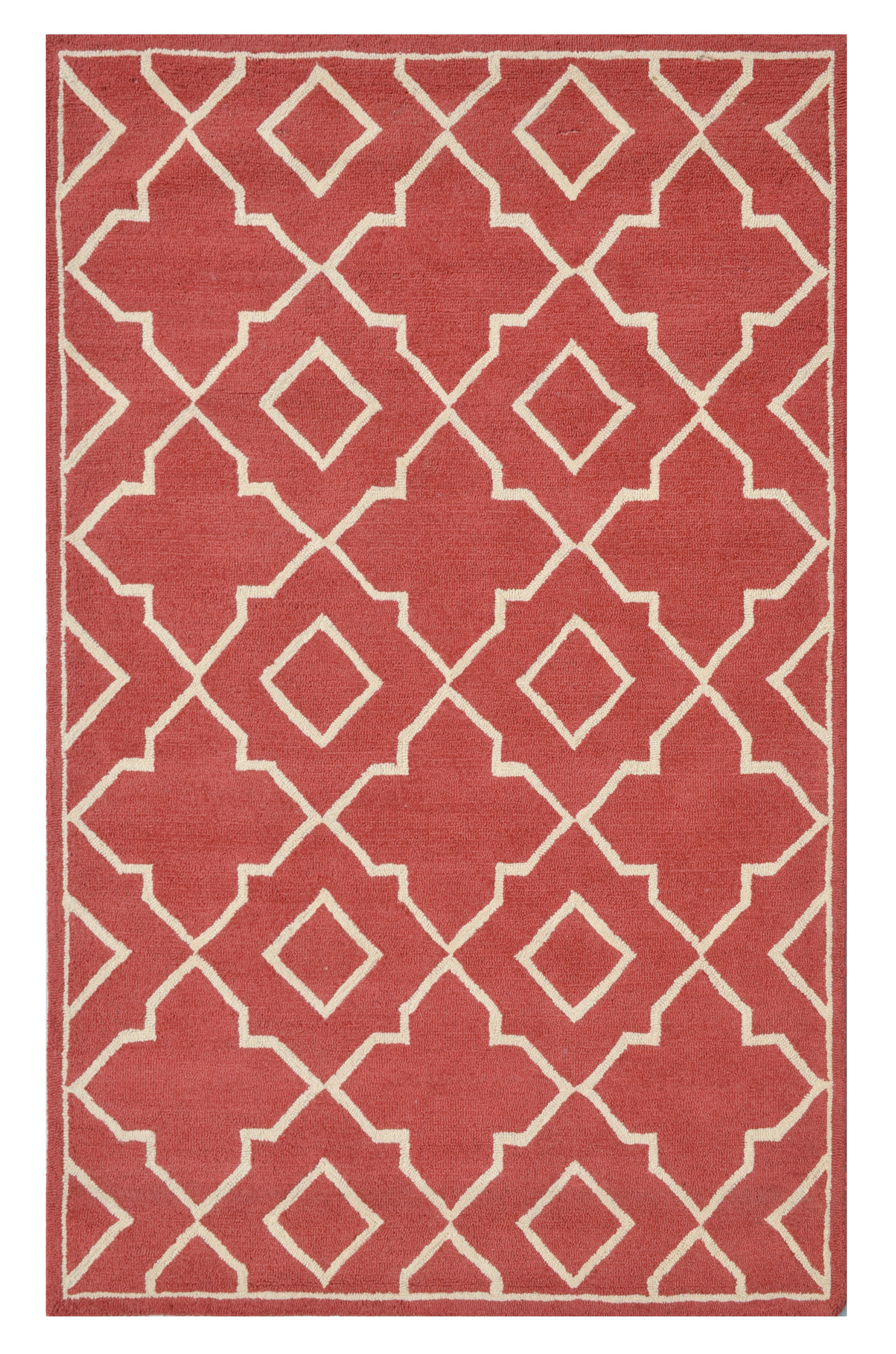
Article: The Complete Rug Buying Guide for Indian Homes (2026)
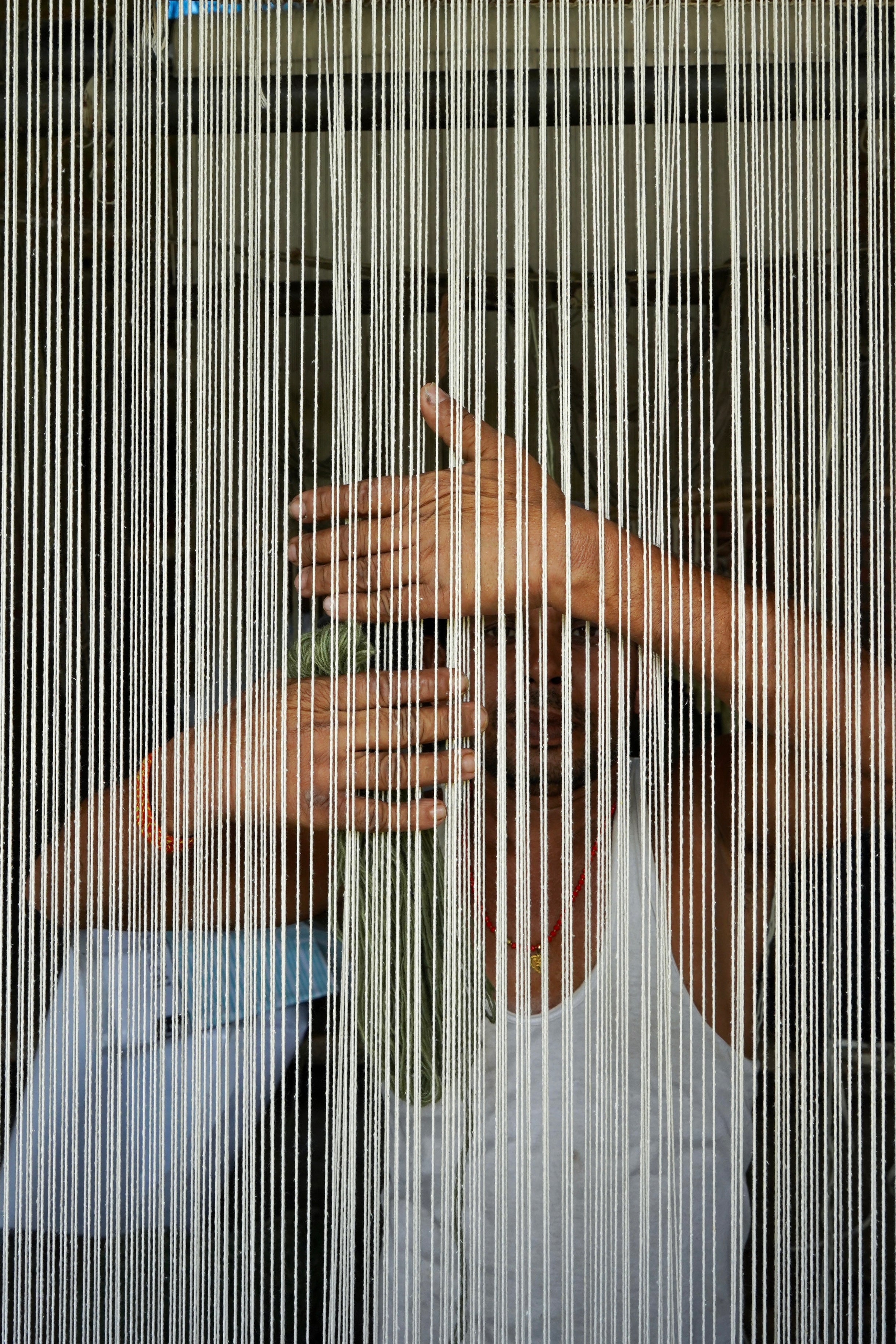
The Complete Rug Buying Guide for Indian Homes (2026)
The only rug buying guide for Indian homes you’ll need in 2026. From size charts and weave choices to material, care, and placement — written by a four-generation rug family from Bhadohi, India’s historic hand-knotted carpet cluster.

This guide is long because rugs are personal, and a small wrong choice (size off by two feet, wrong weave for the room, wrong material for your use) leaves you with a rug you tolerate instead of one you love. Use the table of contents to jump to what you need.
Table of Contents
- Before you buy: the two questions that matter most
- Sizing a rug by room
- Hand-knotted vs. hand-tufted vs. handloom vs. flatweave
- Wool, silk, viscose, jute: material guide
- Colour and pattern strategy
- Placement rules for living, bedroom, dining
- Care and maintenance
- The 12-question decision framework
- Frequently asked questions
1. Before you buy: the two questions that matter most
Every good rug purchase starts by answering two things:
How much daily traffic will the rug see? A living room rug in a family with kids sees 20x the wear of a guest bedroom rug. High-traffic areas need dense, durable weaves (hand-knotted wool, hand-tufted wool with a tight pile). Low-traffic rooms can take more delicate materials like silk or viscose.
How long do you want it to last? A ₹15,000 hand-tufted rug should last 8–12 years. A ₹60,000 hand-knotted wool rug should last 25–40 years. A ₹1,50,000+ hand-knotted wool-and-silk heirloom will still look beautiful when your grandchildren inherit it. Match the investment to the horizon.
If you answer those honestly, most of this guide gets easier. If you want a rug that survives a beagle and two toddlers for 20 years, don’t buy silk.
Budget tiers for Indian homes (2026)
- Entry level (₹5,000–₹15,000): Machine-made or small flatweave dhurries. Use for bathrooms, small hallways, seasonal swaps.
- Mid-tier (₹15,000–₹60,000): Hand-tufted wool in standard sizes, handloom rugs. Everyday living room or bedroom use.
- Investment (₹60,000–₹2,50,000): Hand-knotted wool, hand-tufted premium blends, hospitality-grade pieces, custom sizes.
- Heirloom (₹2,50,000+): Hand-knotted wool-and-silk, bamboo silk with high knot counts, collector-grade designs.
2. Sizing a rug by room
The single most common mistake we see: the rug is too small. An undersized rug makes a room feel disjointed. It’s the visual equivalent of a cropped painting.
Living room
Three legitimate approaches:
- All legs on the rug (best): rug is larger than the seating arrangement; all furniture sits fully on it. Needs 8×10 ft or 9×12 ft for most Indian living rooms.
- Front legs on the rug: sofa’s front legs on the rug, back legs on the floor. Works with 6×9 or 8×10. Most common choice for mid-sized rooms.
- Floating coffee-table rug: rug sits under the coffee table only, all furniture legs off. Needs 5×8 ft minimum. Works only in compact rooms.
Rule of thumb: leave 18–24 inches of floor visible between the rug edge and the nearest wall.
Bedroom
- Under the bed, extending out: rug should extend at least 18–24 inches beyond the bed on three sides (both sides and the foot). For a queen bed (60×78"), aim for 8×10 ft. For a king (72×78"), go 9×12.
- Bedside runners (for smaller rooms): two 2×6 runners, one on each side of the bed.
- Foot-of-bed rug: 4×6 ft at the foot of the bed, perpendicular to the bed frame.
Dining room
The rug must be large enough that all dining chairs stay on the rug even when pulled out. Measure your table and add 24 inches on every side. A 6-person dining table (36×72") typically needs an 8×10 ft rug.
Hallway and entryway
Hallway runners should leave 4–6 inches of floor visible on both long sides. Entryway rugs should fit clear of door swing — test before buying.
For bespoke sizing (Indian rooms are rarely standard), we make every rug to order in any dimension.
3. Hand-knotted vs. hand-tufted vs. handloom vs. flatweave
All four are handmade. They differ in how they’re made, which determines price, durability, and design flexibility.
Hand-knotted rugs

The gold standard. Each knot is tied individually by an artisan onto a warp foundation — a 6×9 hand-knotted rug can take 4–8 months to make. Knot density (measured in knots per square inch) ranges from 60 (coarse tribal designs) to 600+ (fine Persian-grade work).
Why buy hand-knotted: 25–40+ year lifespan, heirloom-quality, the highest possible design fidelity. The back of a hand-knotted rug shows the same pattern as the front.
What to know: most expensive category. Not recommended for high-spill zones like dining rooms unless you’re buying wool (which is naturally stain-resistant) and are prepared for professional cleaning.
Browse our hand-knotted collection.
Hand-tufted rugs

Loops of yarn are punched through a canvas backing using a tufting gun, then glued and finished with a secondary backing. A 6×9 hand-tufted rug takes 3–6 weeks.
Why buy hand-tufted: faster to produce, wider design and colour range (easier to experiment with complex patterns), lower price point than hand-knotted for comparable visual impact. 8–12 year lifespan in normal residential use.
What to know: the secondary backing wears faster than the pile. Avoid for high-moisture areas. The back won’t show the pattern (it looks like canvas).
Browse our hand-tufted collection.
Handloom rugs

Woven on a handloom with continuous yarn loops that create the surface texture. Shorter production time than hand-tufted, distinct flat-but-textured look.
Why buy handloom: lightweight, relatively affordable, versatile aesthetic that suits both traditional and contemporary spaces. 5–10 year lifespan.
Browse our handloom collection.
Flatweave, dhurries, and kilims

No pile at all — these are woven flat, like a thick fabric. Reversible (use either side), light, washable in smaller sizes, often the most affordable.
Why buy flatweave: summer-friendly (cool to walk on), easy to clean, great for kids’ rooms, layering over larger rugs.
What to know: lower insulation and acoustic benefit than pile rugs. Less formal aesthetic.
Quick comparison
| Weave | Lifespan | Relative price | Best for |
|---|---|---|---|
| Hand-knotted | 25–40+ yrs | ₹₹₹₹ | Heirloom, formal living, investment |
| Hand-tufted | 8–12 yrs | ₹₹₹ | Everyday living, design-led pieces |
| Handloom | 5–10 yrs | ₹₹ | Bedrooms, transitional spaces |
| Flatweave | 5–8 yrs | ₹₹ | Kids’ rooms, layering, summer use |
4. Materials: wool, silk, viscose, jute
Wool
The default material for good reason. Naturally stain-resistant (wool has lanolin, which repels liquids for seconds — enough to wipe a spill), flame-retardant, soft underfoot, and remarkably durable. A well-made wool rug is the workhorse of Indian homes.
New Zealand wool is a premium sub-category — cleaner, whiter, softer than standard wool, and it takes dyes more cleanly. Most of our NZ wool rugs are hand-knotted.
Silk
Luxurious sheen, extraordinary fineness, but delicate. Silk rugs are best in low-traffic areas — bedrooms, formal living rooms, a wall-hanging over a sofa. They show every footprint and are sensitive to moisture.
Bamboo silk and banana silk
Plant-based alternatives to animal silk. Similar sheen and softness at lower price points, though less durable than wool or natural silk. Popular in hand-knotted and hand-tufted pieces for contemporary homes.
Viscose
Rayon-based synthetic that mimics silk’s sheen. Wider colour range, budget-friendly. Trade-off: viscose discolours when wet and can’t tolerate much traffic. Good for accent pieces in low-use areas only.
Jute and hemp
Natural fibre, rustic texture, excellent for casual rooms and layering. Scratchy underfoot when new — softens with use. Affordable, strong, good for dining rooms and high-traffic spots that need texture.
Cotton
Used mostly for flatweaves and dhurries. Lightweight, washable, affordable. Doesn’t hold colour the way wool does over years.
5. Colour and pattern strategy
Three frameworks we use when clients ask us to help them choose.
Match the room’s coolest or warmest tone
Pick the anchor tone of your space — wall paint, dominant upholstery, curtain colour — and pull that into the rug either as the primary or the accent. This keeps the rug feeling of the room rather than dropped into it.
Scale pattern to room size
Big rooms can take big patterns. Small rooms need either subtle patterns or a plain-field rug with a border. A 6×9 rug with a large medallion shrinks a room; the same room with a 6×9 subtle all-over pattern feels larger.
Use pattern to zone open-plan rooms
If your living and dining are in one space, two different rugs (complementary palette, different patterns) let the rugs do the architecture.
When in doubt, choose a rug that’s one to two tones darker than your floor. It grounds the furniture and hides dust between vacuuming.
6. Placement rules
These four rules solve 80% of “my rug looks wrong” problems:
- Leave floor margin. 18–24 inches between rug edge and wall in living rooms; 4–6 inches in hallways.
- Symmetry matters. If the rug’s long side faces a sofa, keep equal floor on both ends of the sofa.
- Never float. Avoid a rug smaller than the seating arrangement unless you’re doing a deliberate coffee-table float.
- Orient with the room, not the furniture. Rug’s long side should follow the room’s long axis, not the sofa’s.
Do you need a rug pad?
Yes, for almost every case. A rug pad prevents slipping, reduces wear on the rug backing, adds cushioning, and stops colour transfer onto hardwood. Match the pad size to about one inch shorter than the rug on all sides.
7. Care and maintenance
Weekly
- Vacuum with suction only (turn off the beater bar for hand-knotted and hand-tufted)
- Move any furniture indentations to prevent permanent flattening
Every 6 months
- Rotate the rug 180° to distribute wear and sun exposure evenly
- Check corners and edges for fraying
Annually
- Professional cleaning for any rug that sees daily use
- Spot clean stains within 60 seconds of the spill: blot, don’t rub, with a damp white cloth
Never
- Steam clean a hand-knotted rug (damages the foundation)
- Dry-clean wool rugs with solvents (strips lanolin)
- Store a rug rolled in plastic (traps moisture, invites moths)
8. The 12-question decision framework
Before you buy, answer these. If you can’t answer one, pause.
- What room is the rug for?
- What are the room’s exact dimensions (length × width)?
- How many people live in the home? Kids? Pets?
- What’s the traffic level (low / medium / high)?
- Is it a spill zone (dining, kitchen adjacent)?
- What’s your budget range?
- What lifespan do you expect (5 / 10 / 25+ years)?
- What weave fits the answer above?
- What material fits the weave and use case?
- What’s the anchor tone of the room you’re placing it in?
- What size rug fits the room using the rules in section 2?
- Is it a standard size, or do you need custom?
If you’re stuck on any of these, book a free consultation with our design team. We’ve helped customers choose rugs for everything from studio apartments to luxury resorts, and we won’t sell you something that isn’t right for your space.
9. Frequently asked questions
What’s the difference between hand-knotted and hand-tufted?
Hand-knotted rugs are tied knot-by-knot onto a warp foundation, taking months to make and lasting 25–40 years. Hand-tufted rugs are punched through a canvas with a tufting gun, take weeks, and last 8–12 years. Hand-knotted is more durable and expensive; hand-tufted offers wider design range at lower cost.
Which rugs are best for Indian homes?
For most Indian homes, hand-tufted or handloom wool rugs strike the best balance of durability, design, and price. Hand-knotted is ideal for formal living rooms and heirloom pieces. Flatweaves work well for summer use, kids’ rooms, and layered looks.
How do I choose the right rug size for my living room?
Measure your seating area and add space on all sides. For most Indian living rooms, an 8×10 ft or 9×12 ft rug allows all furniture legs to sit on the rug. For smaller rooms, a 6×9 ft rug with only the front legs of the sofa on it works well.
Are handmade rugs worth the price?
A well-made handmade wool rug lasts 3–10x longer than a machine-made equivalent, ages gracefully, retains resale value, and supports artisan livelihoods. On a cost-per-year basis, handmade is usually cheaper.
Can I get a custom-size rug in India?
Yes. House of Rugs makes rugs to order in any size, pattern, and colour. Lead times: 2–4 weeks for handloom, 4–8 weeks for hand-tufted, 8–16 weeks for hand-knotted. Contact our design team to start.
How long does a handmade rug last?
Hand-knotted wool rugs last 25–40+ years with proper care. Hand-tufted rugs last 8–12 years. Handloom rugs last 5–10 years. Silk rugs in low-traffic use can last decades.
Do you ship across India?
Yes. Free shipping across India on all orders, with white-glove delivery for oversized rugs. International shipping is available for hospitality and commercial clients — contact us for a quote.
Still not sure?
Every House of Rugs rug is handmade in Bhadohi, India by our family’s fourth-generation weaving workshop. We’ve been making rugs since 1951, and we treat every order — from a ₹20,000 bedroom rug to a ₹5-lakh hand-knotted heirloom — as a chance to earn a customer for life.
Browse our full collection or book a free consultation with our design team. We’ll help you choose a rug you’ll love for decades.