Hand-Knotted vs Hand-Tufted Rugs: Which One Is Right for You?
Understanding the Two Pillars of Handmade Rug Construction
The difference between hand knotted vs hand tufted rugs is not a minor footnote. It determines how a rug is made, how long it lasts, how it ages, and how much it costs. Getting this distinction right is the single most important decision in buying a quality rug.

How Hand-Knotted Rugs Are Made

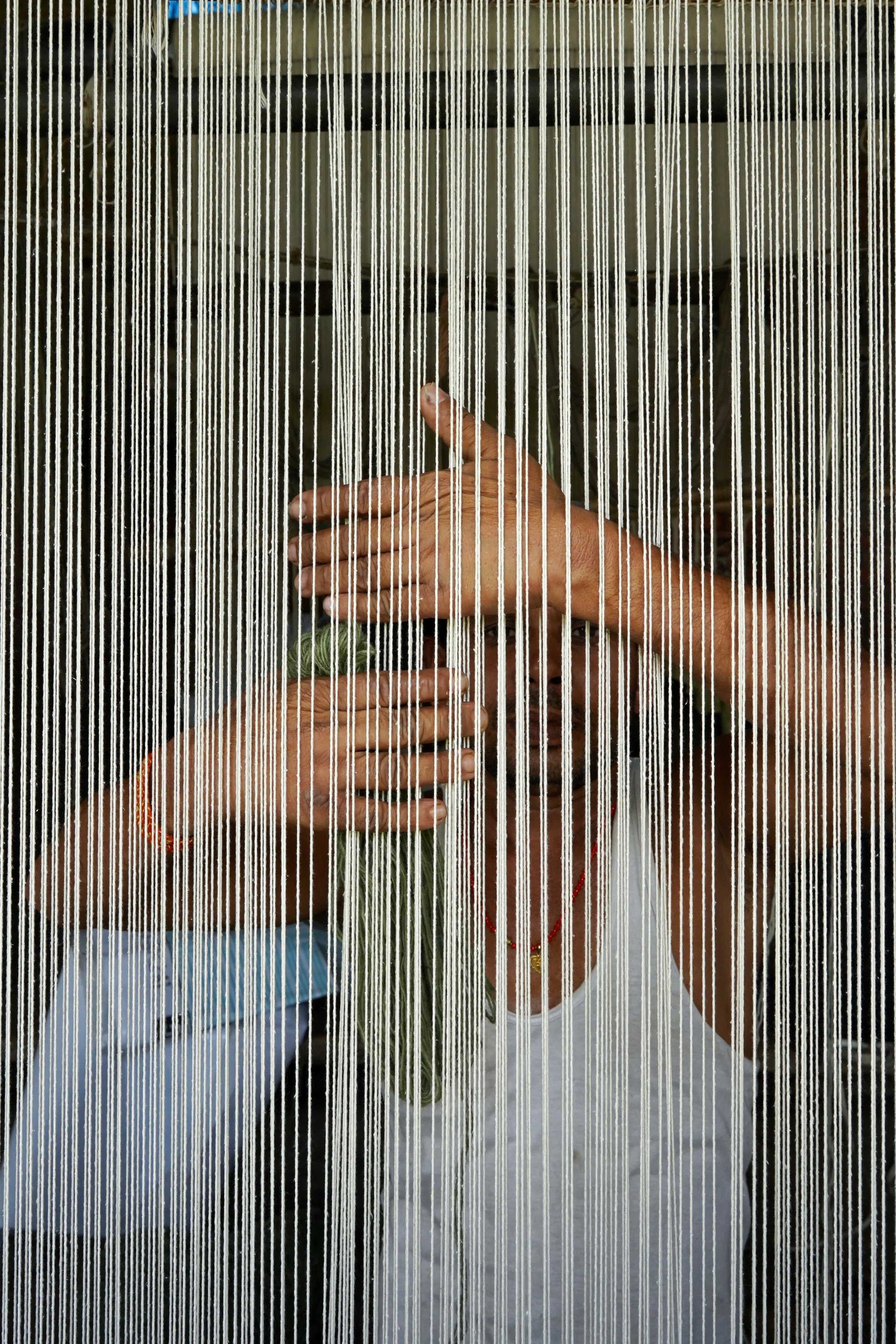
Handknotted rugs are constructed entirely by hand on a vertical or horizontal loom. The weaver ties individual knots, one at a time, around pairs of warp threads, building the rug row by row. A skilled weaver ties roughly 6,000 to 10,000 knots per day. A 5x8-foot rug with 150 knots per square inch contains over 860,000 individual knots, requiring several months of work. The result is a rug of exceptional density and structural integrity, where the pattern is visible on the back because it is literally built into the fabric.
How Hand-Tufted Rugs Are Made
Handtufted rugs follow a fundamentally different construction method. A design is traced onto a stretched canvas. The artisan then uses a handheld tufting gun to punch loops of yarn through the canvas. A layer of latex adhesive is applied to the back, and a secondary backing cloth is glued over it. The tufting process is significantly faster than knotting, making hand-tufted rugs more accessible in price.
The Critical Differences
| Attribute | Hand-Knotted | Hand-Tufted |
|---|---|---|
| Construction | Individual knots tied by hand onto warp threads | Yarn punched into canvas with a tufting gun, secured with latex |
| Production time (5x8 ft) | 3 to 8 months | 2 to 6 weeks |
| Durability | 50 to 100+ years | 10 to 20 years |
| Back of rug | Pattern clearly visible; no backing cloth | Canvas backing covers construction |
| Fringe | Structural extension of warp threads | Sewn on or glued for decorative effect |
| Shedding | Minimal after initial period | Moderate; may increase as adhesive degrades |
| Repairability | Fully repairable by skilled restorers | Limited; latex backing complicates repair |
| Price range (5x8 ft) | Rs 25,000 to Rs 5,00,000+ | Rs 8,000 to Rs 80,000 |
| Best suited for | Living rooms, formal areas, heirloom investment | Bedrooms, guest rooms, studies |
Durability and Ageing
Handknotted rugs improve with age. The pile develops a gentle patina, colours mellow and deepen, and the rug takes on a character that only decades of use can produce. Because the knots are structural, a hand-knotted rug can be professionally washed, repaired, and restored.
Handtufted rugs have a finite lifespan governed largely by the latex adhesive. Over ten to twenty years, the latex degrades, leading to increased shedding and eventually structural failure. A well-made hand-tufted rug will serve admirably for its expected lifespan, but it is not an heirloom piece.
Which Rooms Suit Which Type
Living Rooms and Formal Spaces
A hand-knotted rug is the definitive choice. It handles foot traffic, furniture weight, and regular cleaning with grace.
Bedrooms
A hand-tufted rug excels here. The plush pile feels luxurious underfoot, and the lower price point means you can choose a larger size or bolder design.
Dining Rooms
Flatweave or low-pile handknotted rugs work best because they are easier to clean and less prone to snagging.
Home Offices and Studies
A hand-tufted rug brings texture and personality without demanding the investment of a hand-knotted piece.
How to Tell Them Apart
- Flip it over. A hand-knotted rug's back reveals the pattern in clear detail, with visible knots. A hand-tufted rug has a flat, cloth-covered back.
- Check the fringe. On handknotted rugs, the fringe is structural. On handtufted rugs, fringe is sewn or glued on.
- Feel the weight. Hand-knotted rugs are generally heavier due to the density of the knotted structure.
- Ask the seller. Any reputable rug dealer will clearly disclose the construction type.
Making the Right Choice
Neither hand-knotted nor hand-tufted is categorically better. They serve different purposes at different price points. At House of Rugs, both construction types are produced by skilled artisans, many of them women weavers with decades of experience. The right rug is the one that matches your room, your lifestyle, and your expectations.
Related Reading
- What Is a Hand Knotted Rug? The Complete Guide
- What Is a Hand Tufted Rug? Everything You Need to Know
- What Is a Flatweave Rug? Your Guide to Dhurries and Kilims
- The Complete Rug Buying Guide for Indian Homes (2026)
Still deciding? Book a free rug consultation with our design team, or browse the full House of Rugs collection.