How to Choose the Perfect Rug for Your Living Room
A rug does more than anchor a seating arrangement. It sets the emotional register of the entire room. Choosing the right one takes a little thought, but the reward is a living space that feels genuinely composed.

Start With Size
Before style or colour — get the size right. A rug that is too small floats like an afterthought. For most arrangements, bring at least the front legs of all seating onto the rug. Measure your seating area and add 30-45 cm on each side. When in doubt, size up.
Matching Style
Contemporary
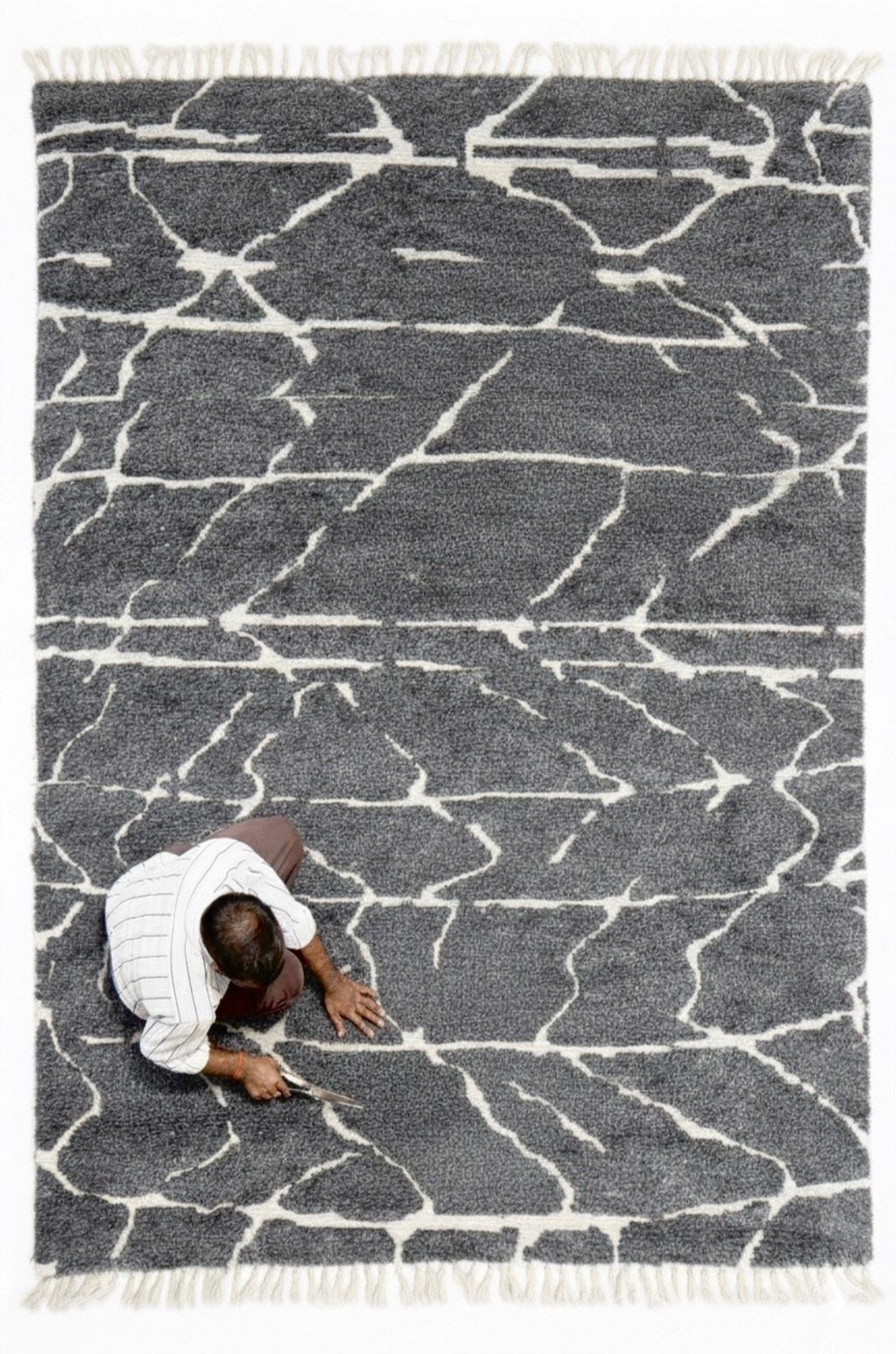
Geometric patterns, abstract motifs, or solid colours with textural interest. A flatweave or hand-tufted piece with architectural patterning complements clean-lined rooms.
Traditional
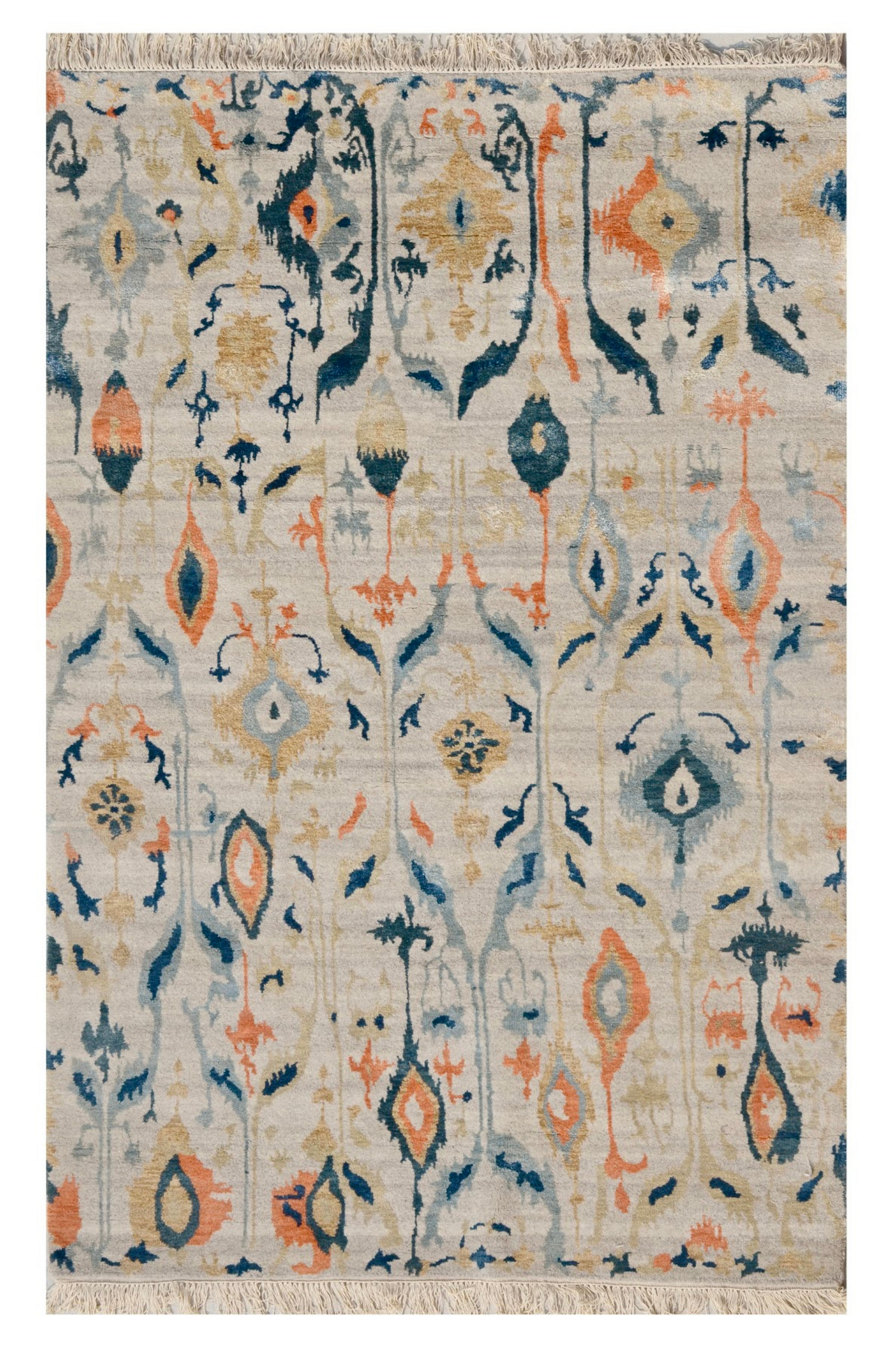
Persian-inspired, floral medallion, or intricate border designs in jewel tones like burgundy, navy, and forest green.
Transitional
The blend of old and new — a traditional pattern in contemporary colourway bridges both worlds gracefully.
Colour Strategy
Neutral foundation: Ivory, stone, warm sand — these adapt as your decor evolves.
Statement piece: A bold rug becomes the room's defining element. Pull one colour into cushions or art for coherence.
Material by Lifestyle
Pets and children: Wool — naturally resilient and stain-resistant.
High traffic: Flatweave dhurries or short, dense pile.
Formal rooms: Silk or silk-blend for luminous sheen.
Explore our full range of living room rugs, each made by skilled artisans since 1951.
Start with the anchor, not the rug
Most people pick the rug first and then try to make it work with the room. Work the other way. Identify your living room’s anchor — the piece around which the room is organised. Usually it’s the sofa; sometimes it’s a console, a fireplace, or a large artwork. The rug’s job is to ground that anchor visually, not to compete with it.
Pattern, scale, and the small-room paradox
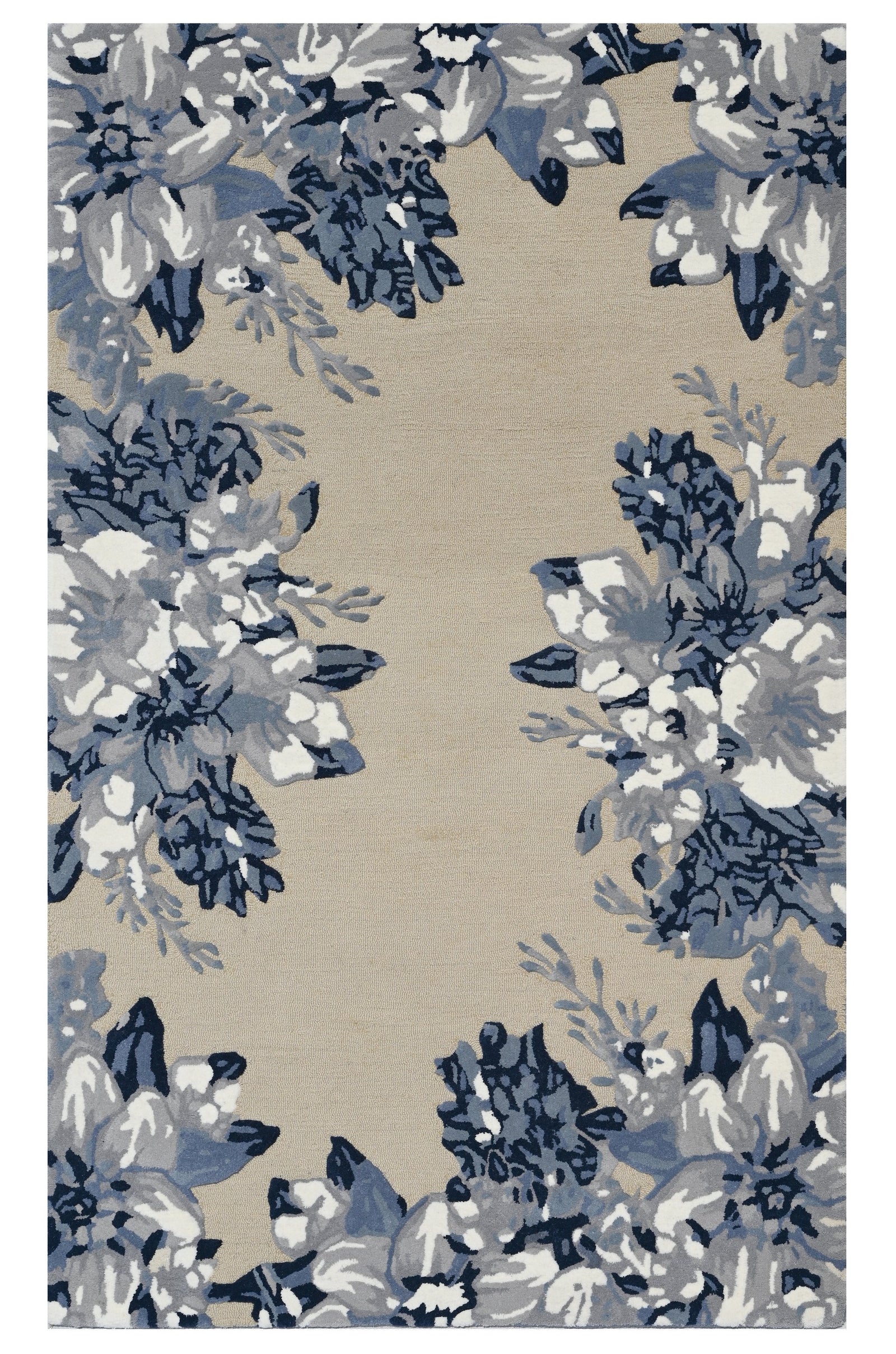
A common assumption: small rooms need small-patterned rugs. In fact, a single bold-pattern rug in a small room can make the room feel larger, because it gives the eye one dominant visual to register. Multiple medium patterns in a small room create visual clutter. If your living room is under 180 sq ft, you have two defensible paths — a plain-field rug with a border, or a single bold-pattern piece. Avoid busy mid-scale patterns.
The common mistake: matching the upholstery
Buyers often pick a rug that matches the sofa fabric, thinking it’ll look coordinated. The result is a room that visually flattens — the sofa disappears into the rug. Better: pick a rug that complements the sofa in tone but introduces a new texture or a subtle contrast. A cream bouclé sofa on a deep-patterned wool rug feels layered; the same sofa on a cream rug feels like one big beige blob.
Frequently asked questions
Should the rug match the wall colour?
No. Rug-and-wall in the same tone removes contrast and makes the room feel smaller. Pick one to recede and one to come forward.
How many rugs in one living room?
For open-plan rooms, two rugs (one for seating, one for dining) is standard. For a single closed living room, one large rug works better than two smaller ones.