Wool Rugs: Why Natural Wool Is the Gold Standard
There is a reason the finest handmade rugs have been woven from wool for millennia. Wool is resilient, naturally protective, visually beautiful, and designed by nature to last.

Natural Properties of Wool
Resilience
Each wool fibre has a natural crimp that functions like a spring. When compressed under foot traffic, it bounces back. Synthetic fibres lack this memory.
Flame Resistance
Wool is inherently difficult to ignite and self-extinguishes rather than melting like synthetics.
Natural Stain Resistance
Overlapping scales on each fibre create resistance to liquid penetration. Spills bead on the surface, giving you time to blot.
Insulation and Acoustics
Wool traps air, making rugs warm in winter and cool in summer. It also absorbs sound, reducing echo.
Types of Wool
New Zealand Wool
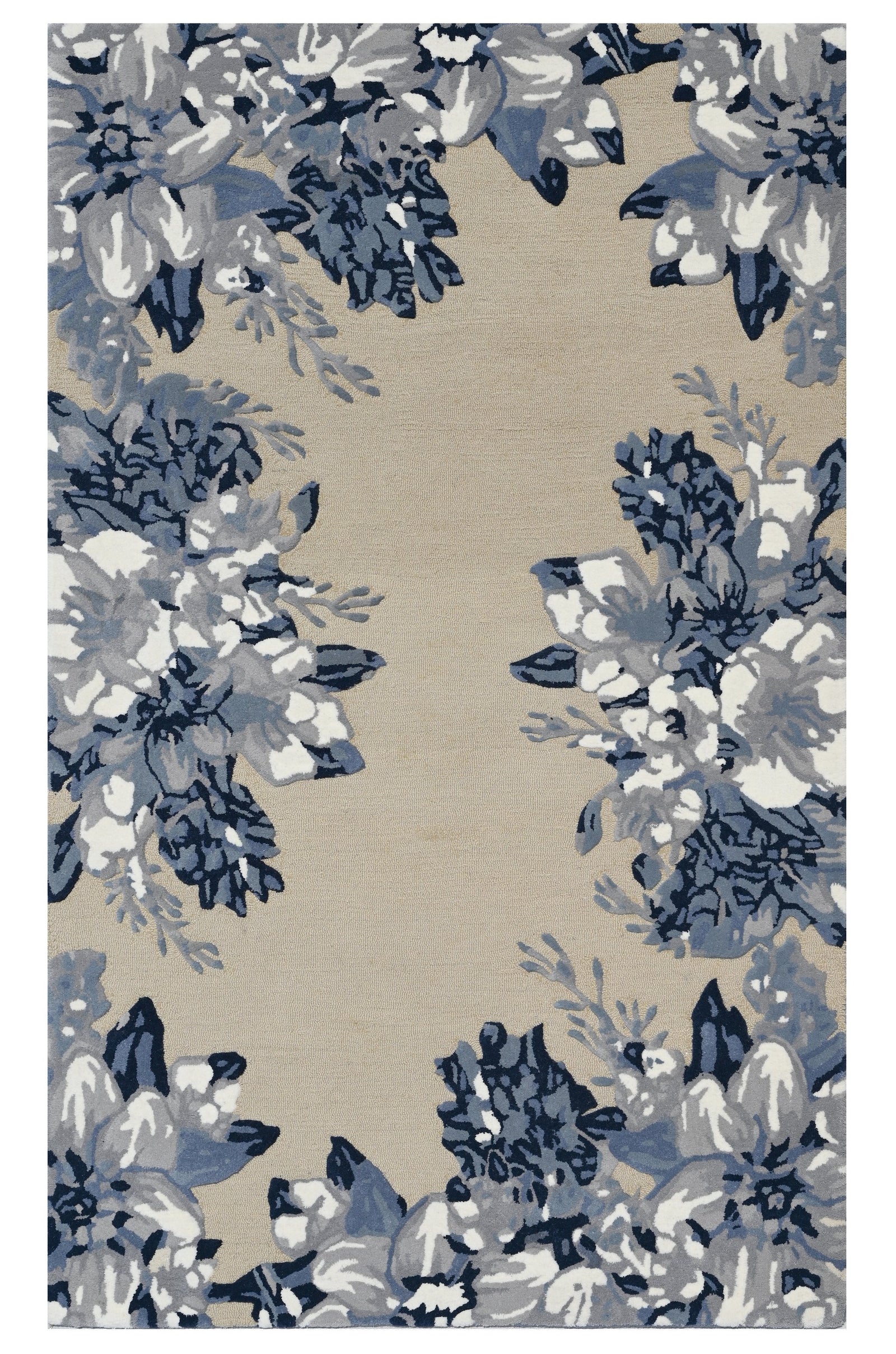
Long, strong, extraordinarily bright fibres that take dye with exceptional clarity. The gold standard for rug making. Explore New Zealand wool rugs →
Indian Wool
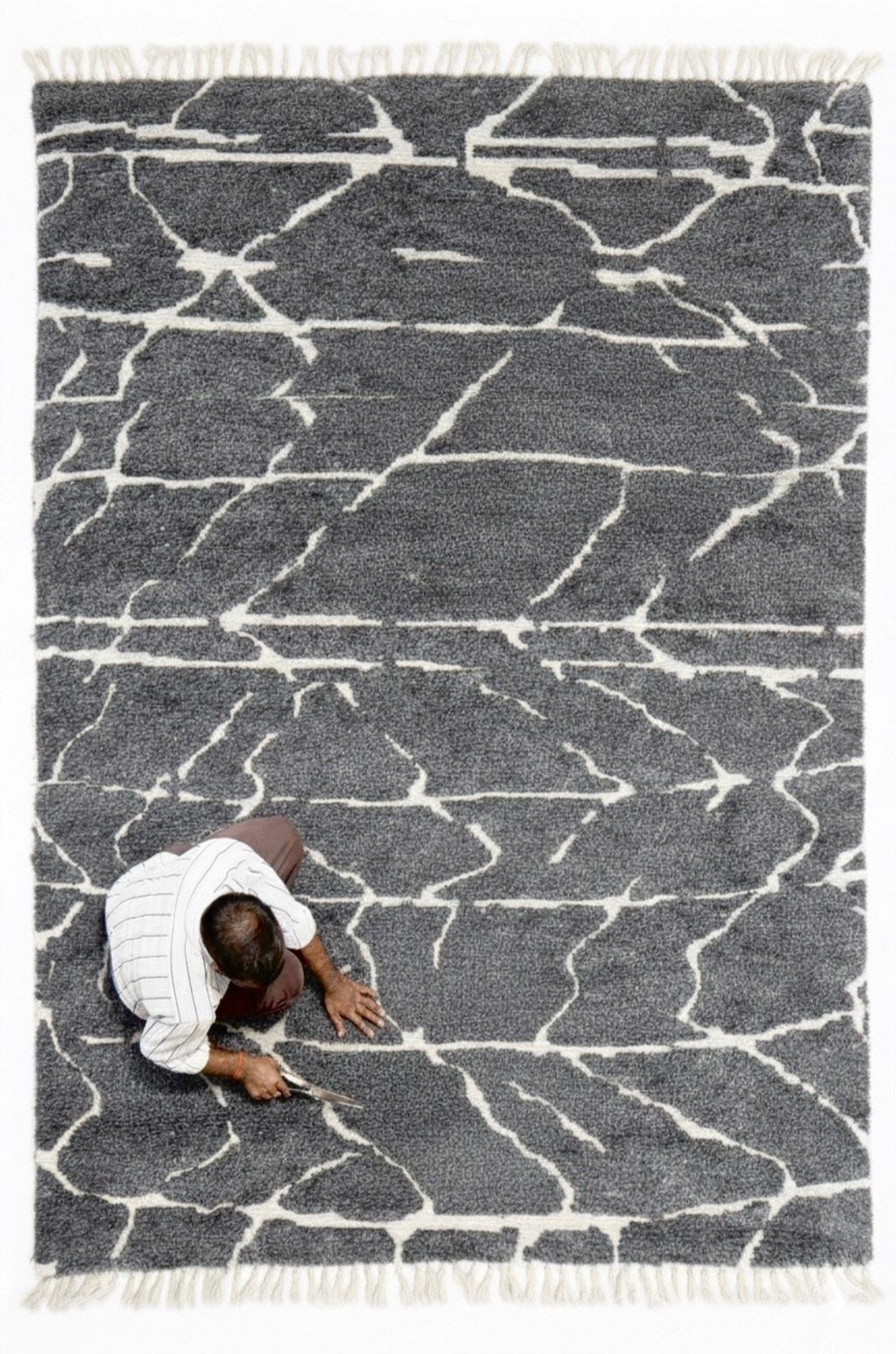
Slightly coarser with exceptional durability. Develops a beautiful patina over time.
Semi-Worsted
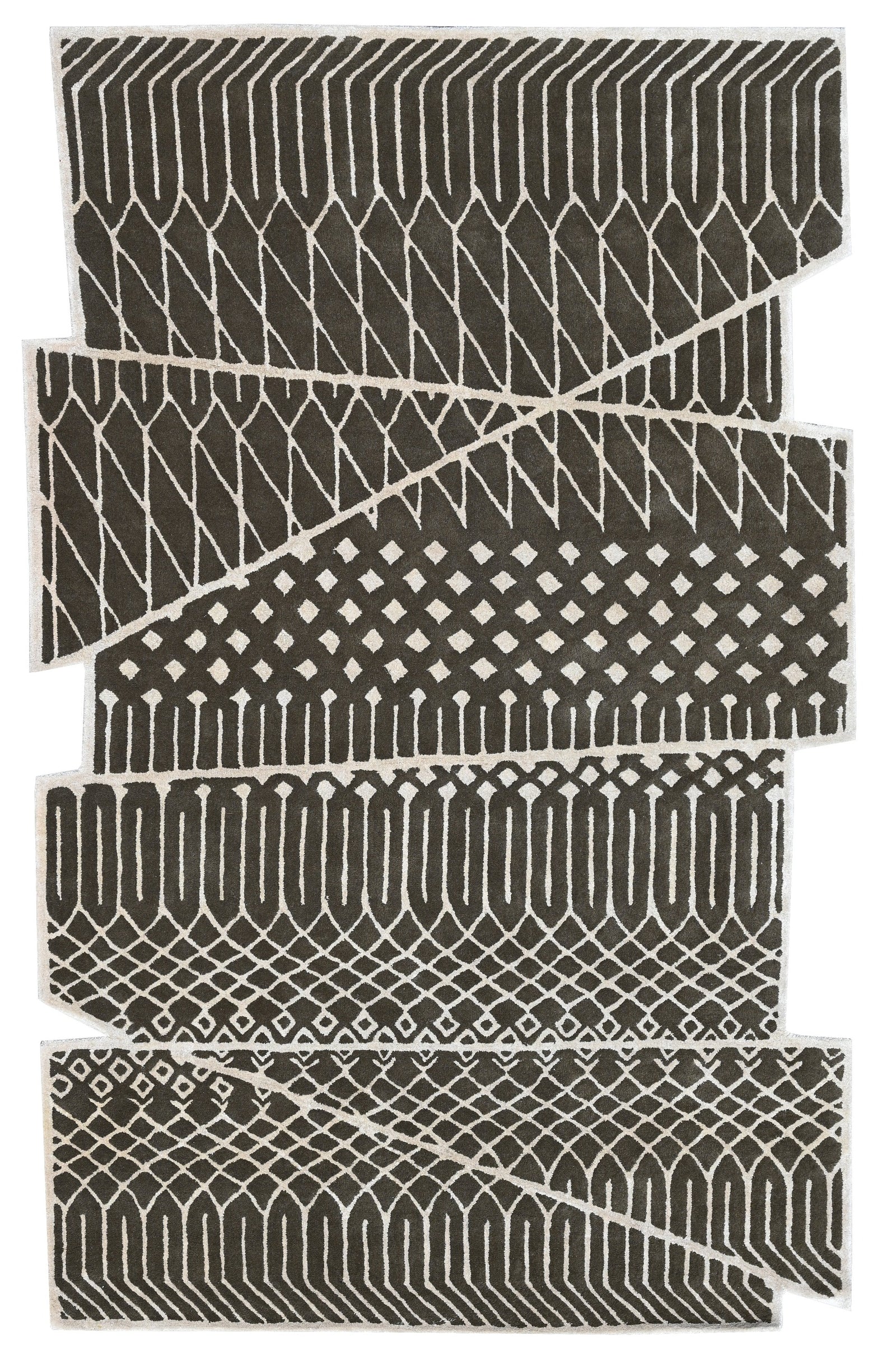
Fibres combed parallel before spinning. Smoother, denser, more lustrous — between wool warmth and silk sheen.
Why Wool Ages Beautifully
Many materials deteriorate with age. Wool mellows. The initial roughness softens, colours take on richer quality. An antique wool rug often has warmth that new rugs cannot replicate.
Browse our wool rug collection, woven by artisans who know this material intimately.
Related Reading
Why wool is naturally stain-resistant
Wool fibres contain lanolin, a natural oil that repels liquids for a brief window — long enough, in most cases, for you to blot a spill before it soaks in. This is why wool rugs handle red wine, coffee, and pet accidents better than synthetic or viscose alternatives. The lanolin also gives wool a natural resistance to crushing; a wool pile that’s been compressed under furniture will spring back when the pressure is removed, whereas viscose stays flat.
Not all wool is equal
The wool used in hand-made rugs varies by origin. New Zealand wool is considered premium — the sheep are raised on clean, high-altitude pasture, producing fibre that’s cleaner, whiter, and takes dye more cleanly than wool from lower-quality sources. Indian wool, particularly from Bikaneri and Tibetan highland sheep, has its own character: coarser, more textured, more durable for heavy-traffic use. Neither is strictly better; they’re suited to different rugs. You’ll find both techniques across our wool rug collection.
Care that keeps wool looking new
Wool’s strength is also its vulnerability. It needs air. A wool rug stored rolled in plastic will trap moisture and grow mould or attract moths within months. Wool rugs also shed for the first few weeks of use — this is normal; the loose fibres from manufacturing are working their way out. Vacuum gently, don’t worry about the lint, and it will stop on its own.
Frequently asked questions
Is wool warm in Indian summer heat?
Wool is actually a temperature regulator — it insulates in winter and dissipates body heat in summer better than synthetic fibres. It’s a myth that wool makes a room feel hot.
How to protect wool from moths?
Vacuum regularly, rotate the rug every six months to expose all areas to air and light, and avoid storing wool rugs in dark damp spaces. Cedar blocks in storage areas help.
Browse our wool rug collection or filter to New Zealand wool pieces.