What Is a Flatweave Rug? Your Guide to Dhurries and Kilims
Some of the most enduring rugs in the world have no pile at all. Flatweave rugs — woven without knotted or tufted pile — have been made across India, Turkey, and Persia for millennia. Lightweight, reversible, and versatile, they are experiencing a renaissance in contemporary interiors. Here is your complete guide.

What Is a Flatweave Rug?
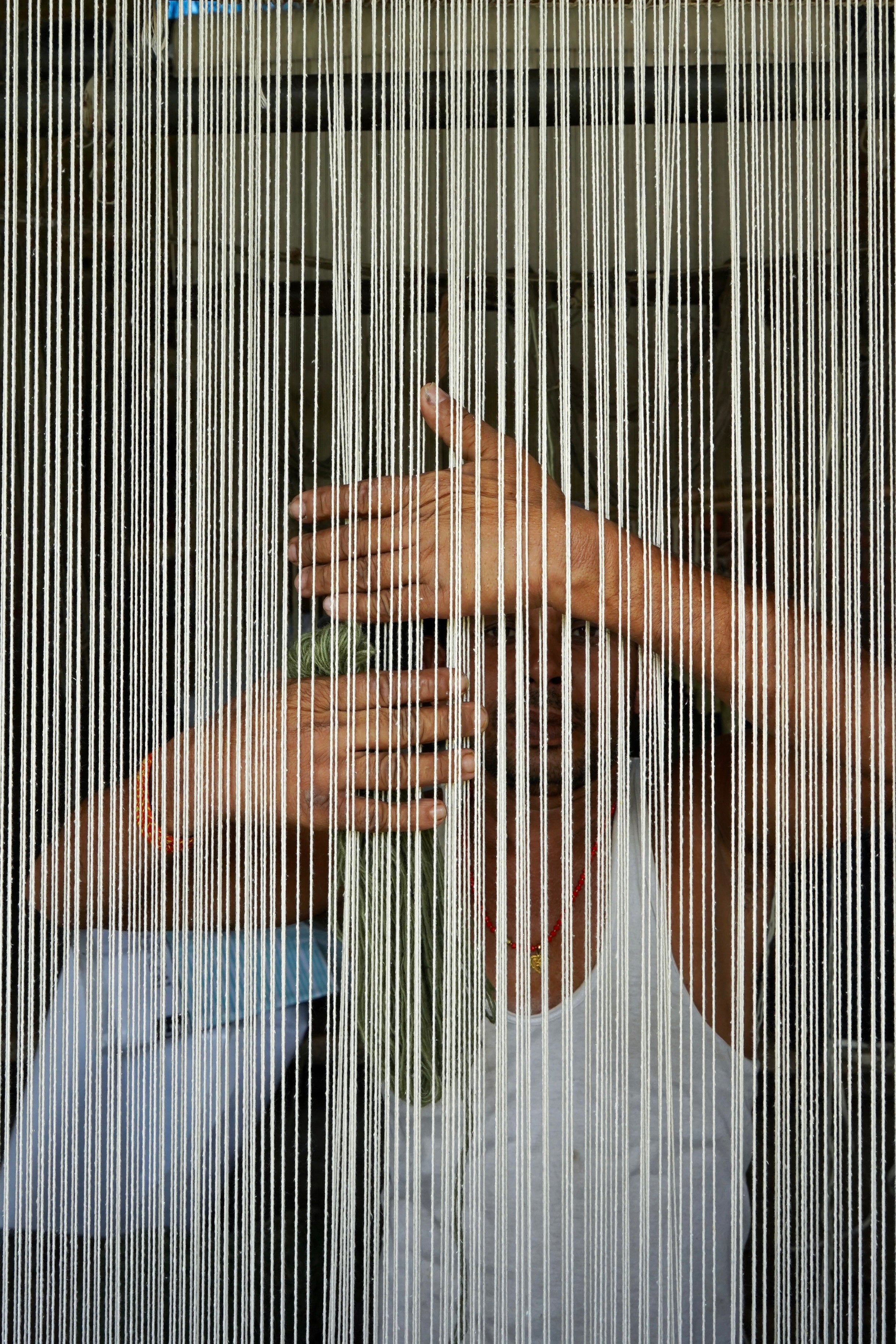
A flatweave rug is woven on a loom using only warp and weft threads. There are no knots and no pile. The pattern emerges entirely from the interplay of coloured weft threads — structure and design are inseparable. The result is a thin, flat textile with a smooth surface, showing the same pattern on both faces.
Dhurries vs Kilims
Dhurries: The Indian Tradition
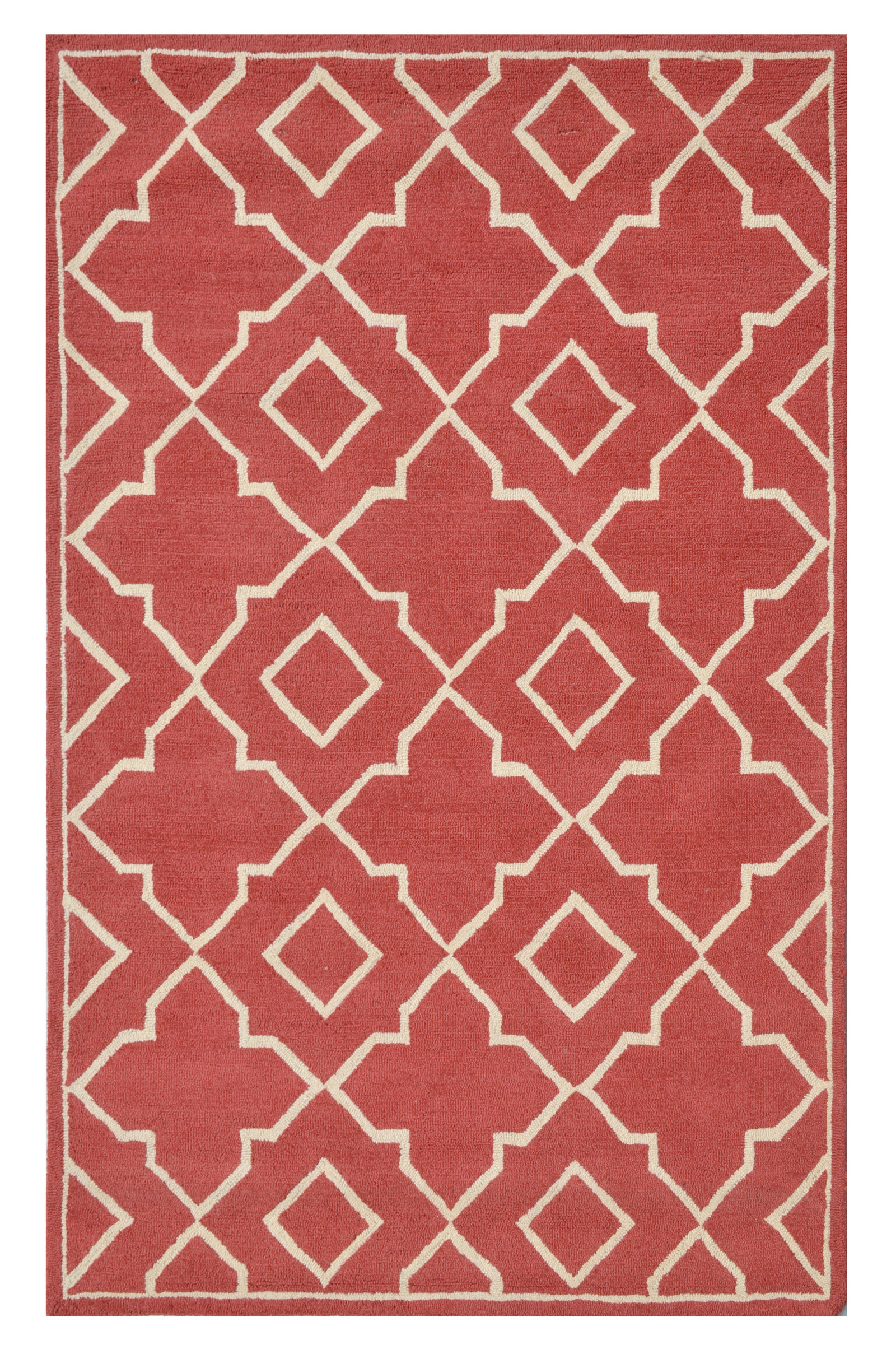
A dhurrie is the Indian flatweave rug, woven primarily in cotton. The tradition is especially strong in Rajasthan and Uttar Pradesh. Traditional designs are rooted in geometric abstraction: stripes, chevrons, diamonds, and lattice patterns. Cotton dhurries are light, washable, and cooler underfoot — ideal for the Indian climate and modern homes alike.
Kilims: The Turkish and Persian Tradition
A kilim is the Turkish and Persian flatweave, made primarily in wool. Designs tend to be bold and symbolic — tribal motifs and medallions. Both dhurries and kilims are reversible and share the same qualities of lightness and pattern clarity.
Advantages of Flatweave Rugs
- Reversible: Same pattern on both faces — flip when one side shows wear
- Lightweight: Easy to move, shake out, and reposition
- Easy to Clean: No pile to trap dust — cotton dhurries can often be spot-cleaned or washed
- Versatile: Work indoors, outdoors, in high-traffic areas
- Graphic Strength: The design carries everything — bold, clear, contemporary
When to Choose Flatweave
Choose flatweave when you want pattern without visual weight. In rooms with existing texture, a flatweave brings clarity without competing. In high-traffic spaces with children or pets, its practicality is a real advantage. In warm climates, the cooler surface is simply more comfortable.
Why Choose House of Rugs
Our flatweave and dhurrie collection is designed at the intersection of traditional Indian geometric grammar and contemporary design. Our fourth-generation artisans — many of them women weavers — bring practised understanding of colour and structure to every piece.
Shop Flatweave & Dhurrie Rugs →
Dhurrie vs kilim: what’s actually different?
Both dhurries and kilims are flatweaves, but they come from different weaving traditions. Indian dhurries are typically cotton or wool, woven on horizontal looms, and tend toward geometric or block-colour designs with strong visual symmetry. Turkish and Central Asian kilims are almost always wool, woven on vertical looms, and favour denser symbolic patterns with a tighter weft. In India, especially in Rajasthan and Punjab, dhurrie weaving has existed for centuries as a household craft — a piece of everyday textile that was later elevated by designers for the global market.
Why flatweaves pair so well with Indian homes
Three practical reasons Indian families reach for flatweaves: they’re cool underfoot in summer (no dense pile to trap heat), they’re reversible (flip the rug every six months to double the visible life), and they’re light enough to move during seasonal cleaning or monsoon. For Pooja rooms, children’s play areas, and verandas — spaces that need to be swept and adjusted often — a flatweave is almost always the right answer.
Frequently asked questions
Can you wash a flatweave rug at home?
Small cotton dhurries, yes — they can be machine-washed on a gentle cycle with mild detergent. Larger pieces or wool kilims should be cleaned professionally. Always check whether the rug uses natural or synthetic dyes; natural-dyed pieces need cold water and a colour-safe wash.
Do flatweaves slip on smooth floors?
Yes, on marble, tile, or wooden floors, a flatweave needs a rug pad. Without one it will slide with foot traffic and can be a trip hazard.
Are flatweaves good for dining rooms?
Excellent, actually. They’re easier to clean than pile rugs, chairs don’t catch on the surface, and you can flip or wash them when needed.
Browse our flatweave and dhurrie collection or book a consultation for custom sizes.
Related Reading
- What Is a Hand Knotted Rug? The Complete Guide
- What Is a Hand Tufted Rug? Everything You Need to Know
- Handloom vs Hand Knotted vs Hand Tufted: Which Rug Is Right for You?
- The Complete Rug Buying Guide for Indian Homes (2026)
Still deciding? Book a free rug consultation with our design team, or browse the full House of Rugs collection.