Contemporary vs Traditional Rugs: Finding Your Style
Few decisions in interior design carry as much weight as rug style. The answer is rarely as simple as matching your decor — the best rugs often work because of the contrast they introduce.

What Makes a Rug Contemporary
Abstract pattern, geometric precision, bold or deliberately muted colour. Contemporary rugs resist convention — designed to exist in the present, in clean-lined, visually confident spaces. More forgiving of mixing across styles. Explore contemporary rugs →
What Makes a Rug Traditional
Drawing from Persian, Mughal, and Ottoman traditions. Central medallions, border systems, herati patterns, arabesques. These carry meaning accumulated over centuries and hold a room with the gravity of time. Best in spaces with generous proportions. Explore traditional rugs →
The Transitional Middle Ground
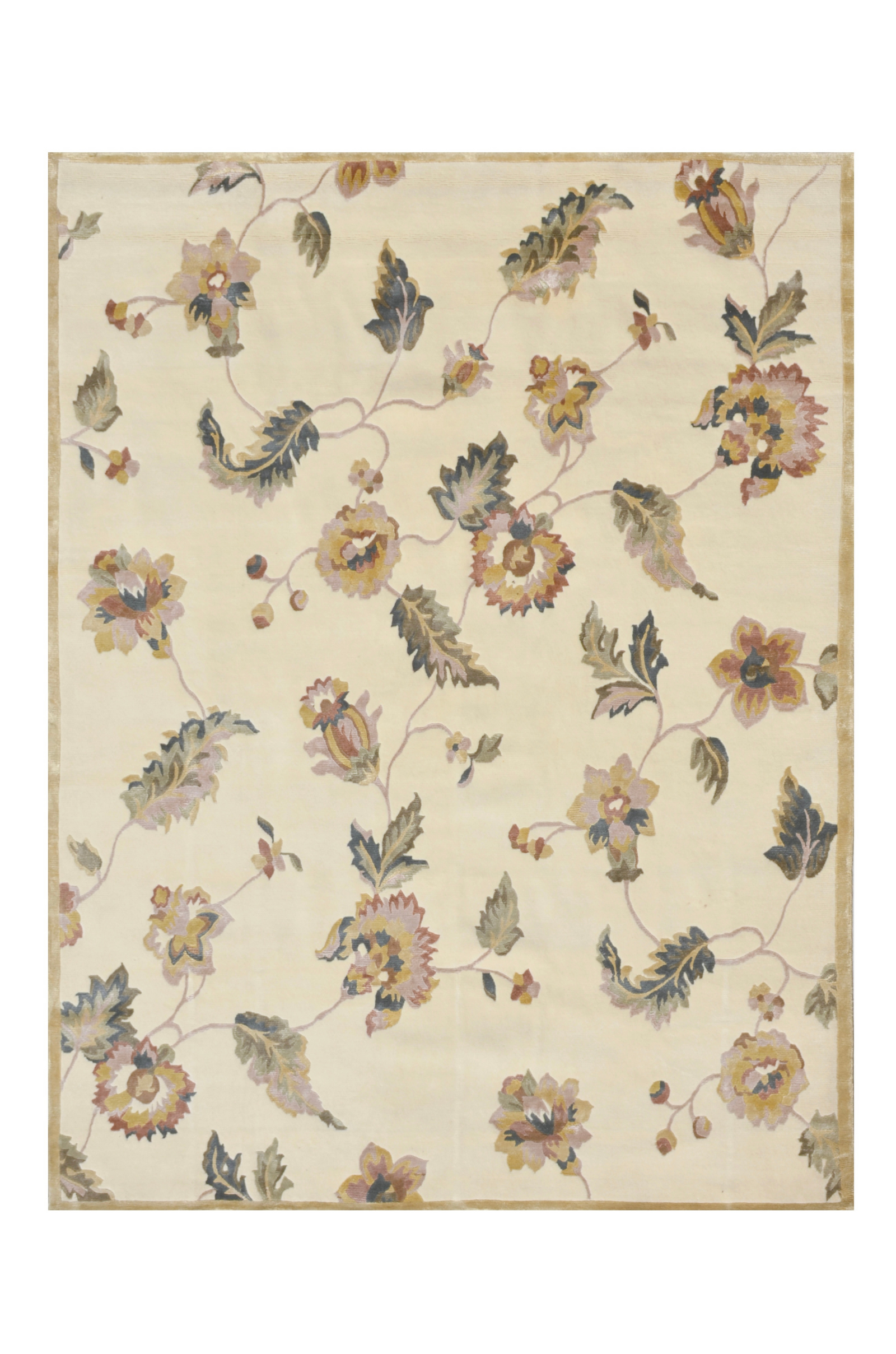
Borrows structural intelligence of traditional design while stripping historical references. A Persian medallion in washed tones, a herati pattern in tone-on-tone treatment. The most versatile option available. Explore transitional rugs →
How to Match Style to Interior
- What does the architecture suggest? Georgian interiors lean traditional; industrial lofts lean contemporary
- Visual complexity? Patterned rooms need simpler rugs
- Atmosphere? Traditional feels warm and weighted; contemporary feels lighter and alert
- Contrast or harmony? Both work — both require commitment
The single most important thing: make the choice actively, not by default.
Related Reading
The false choice most buyers fall into
Asked “contemporary or traditional,” most people pick contemporary because traditional sounds dated. But the two styles aren’t a binary; they’re two ends of a spectrum with a rich middle ground called transitional — rugs that borrow traditional motifs and soften them into contemporary palettes and compositions.
Some of the most interesting rugs being made today are transitional. See our transitional collection for examples.
How to mix contemporary and traditional in one room
A common fear: “I have a traditional sofa, so I need a traditional rug.” Not true. Pairing a bold contemporary rug with traditional upholstery creates deliberate tension — the two elements hold each other up. Pairing traditional with traditional often feels stuck in one decade.
The rule of thumb: if your furniture and architecture lean heavily in one direction, let the rug lean in the other. The room breathes.
Frequently asked questions
Which is better resale value — contemporary or traditional?
Traditional hand-knotted rugs have stronger resale because the design vocabulary is timeless and the weaving technique is unchanging. Contemporary rugs can age into dated aesthetics. Both hold value if well-made.
Are contemporary rugs less durable?
No — durability is a function of technique and material, not style. A contemporary hand-knotted wool rug is just as durable as a traditional one.
Browse contemporary, traditional, or transitional pieces.